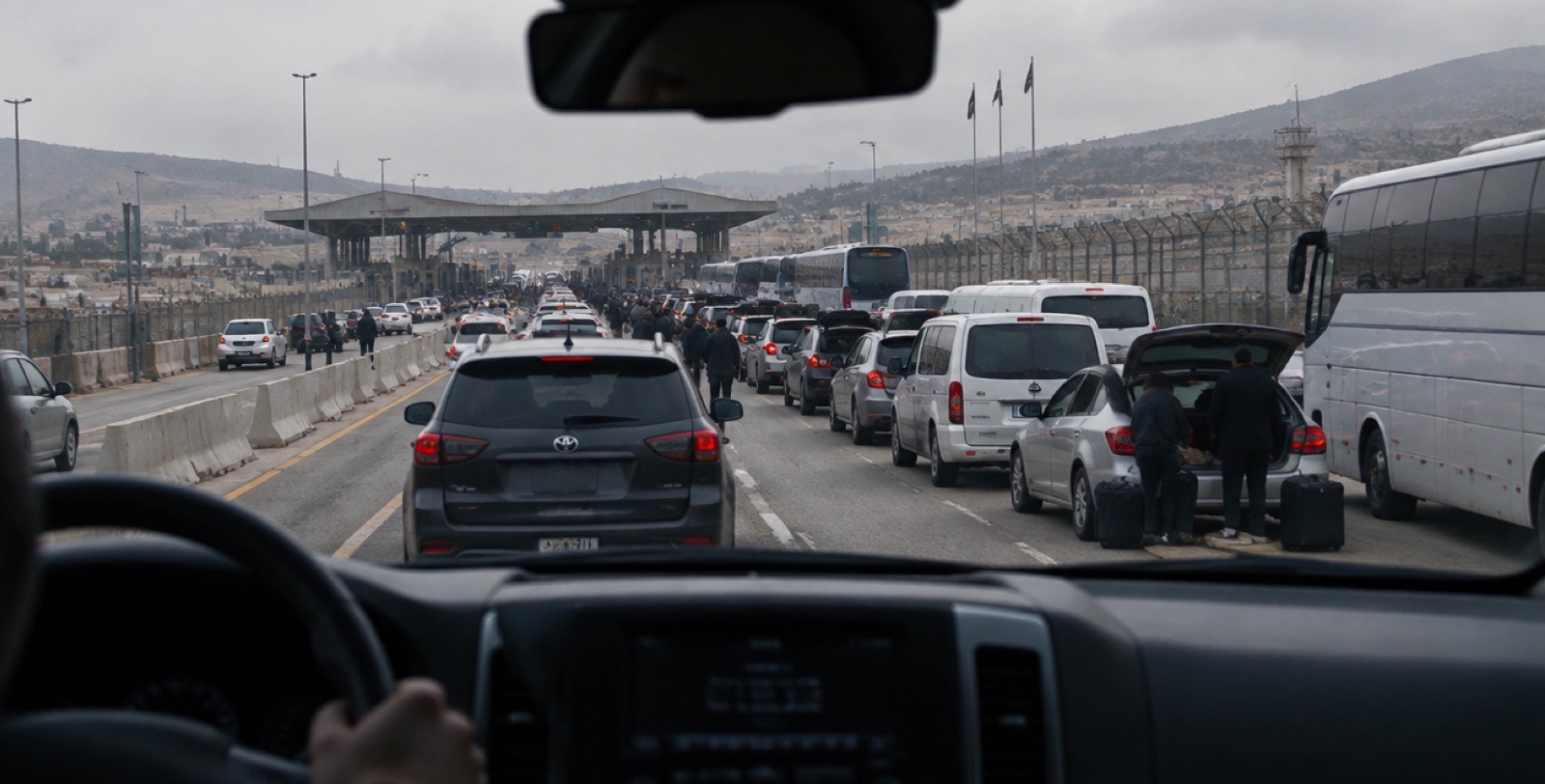
Across MENA, the operating environment for journalists and humanitarian organisations is becoming more dangerous, while access and operational space are becoming more restricted. Access is increasingly governed through registration systems, movement permits, administrative controls, restrictions on communications and, in some contexts, the criminalisation or securitisation of humanitarian work. The result is a growing tension: the risks are mounting, while some of the means of preparing people to manage those risks are becoming harder to obtain.
ACAPS’s July 2026 global assessment found that humanitarian access deteriorated in 26 of 66 crisis-affected countries between December 2025 and May 2026, while only one improved. It also found that access constraints are increasingly institutionalised through legal and administrative measures, with consequences ranging from loss of organisational status to the prosecution or detention of aid staff.
When safety equipment becomes political
The same pattern extends to what equipment people are allowed to bring. Equipment that is fundamental to keeping people alive and connected (satellite communications, radios and other communications infrastructure) can be subject to specific authorisation and restrictions on entry. In Gaza, for example, the UN has documented severe restrictions on the import of telecommunications equipment, including VHF radios and satellite phones used for humanitarian security communications. Some equipment reportedly remained awaiting approval for months, while restrictions on telecommunications equipment continued to hamper humanitarian security communications.
The significance is not simply that equipment is harder to obtain. In securitised environments, the line between civilian safety and security infrastructure is becoming blurred. Tools that enable people to communicate, move and operate can become subject to the same political controls as other forms of security infrastructure.
The implications extend to preparedness itself. Hostile Environment Awareness Training (HEAT), tactical driving, trauma and medical response, protective equipment and other forms of operational preparedness are not luxuries in MENA. They are part of the basic duty of care owed to people working in conflict and high-risk environments. At the same time, the environments these skills are designed to prepare people for are becoming increasingly difficult to enter or operate in. Across the region, humanitarian organisations continue to report movement restrictions, delays and denials of access, unsafe operating conditions, and incidents affecting humanitarian personnel, assets and equipment.
The cost of constrained capability
For journalists, the consequences are already visible. Foreign journalists have been prevented from independently entering Gaza since October 2023, while Palestinian journalists have continued to work under extraordinary levels of risk. In April 2026, an open letter from major international news organisations noted that the lack of independent foreign press access had pushed responsibility for covering the war “almost entirely” onto Palestinian journalists, who “should not have to shoulder this burden alone.”
The wider concern is therefore not simply that MENA is becoming more dangerous. It is that the capacity to understand and safely navigate that danger is becoming harder to maintain independently.
The consequence is a gradual erosion of civilian operational capability: fewer people properly trained, weaker communications, greater reliance on informal networks and, ultimately, greater exposure to preventable harm.
The less visible cost is the loss of institutional capability. Security knowledge is not static; it depends on practice, repetition and experienced people passing it on. When organisations cannot reliably train, exercise or maintain those capabilities, the loss is cumulative. New staff arrive with less preparation, experienced personnel carry more of the burden, and organisations become more dependent on external support or informal networks.
Building capability outside the danger zone
The focus may therefore need to shift from where training takes place to where capability can be built most reliably.
If the operational environment prevents organisations from developing these skills locally, regional hubs may therefore become essential: places where humanitarian workers and journalists can acquire high-quality medical, security, hostile-environment and operational training before entering higher-risk contexts.
The objective is not to militarise humanitarian or journalistic work. It is the opposite. It is to preserve the civilian capacity to operate independently in environments where that independence is becoming harder to protect.
The uncomfortable question for MENA is why, as the need for it grows, access to the expertise and tools required to use it safely is becoming harder to secure.